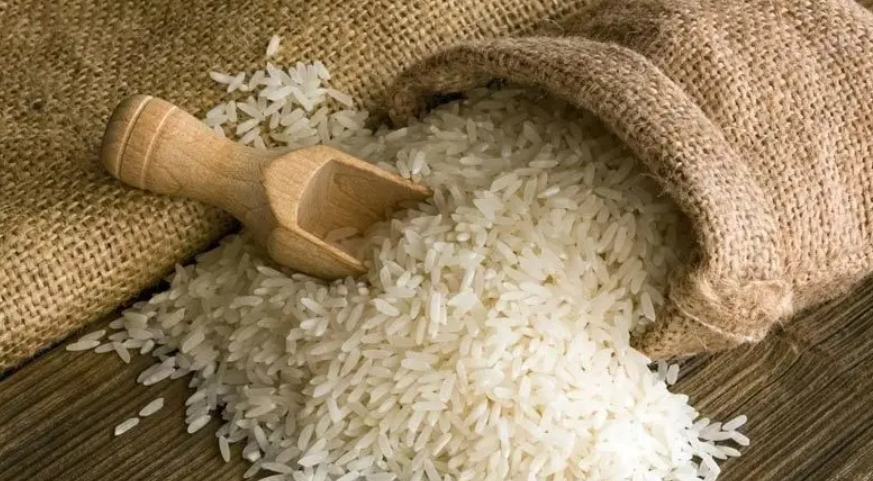
India is home to a remarkable variety of indigenous grains that carry centuries of culture and culinary heritage. Among these heirloom varieties, Joha rice from Assam stands out for its distinct aroma, natural sweetness, and soft grain texture. Primarily cultivated in the fertile floodplains of Assam, this rice is deeply cherished in local cuisine and is now gaining recognition across India and global markets.
What Makes Joha Rice Special
Joha rice is a short-grain aromatic rice, unlike Basmati, which is long-grained. When cooked, it becomes soft and slightly sticky, making it ideal for traditional Assamese dishes. The aroma is completely natural and is developed through the soil, climate, and traditional cultivation practices. There is no artificial flavouring or processing involved, which increases its authenticity and nutritional value.
The traditional method of cultivation ensures purity and preserves the crop’s natural characteristics. Farmers follow generational knowledge and organic farming techniques, which not only protect soil health but also retain the uniqueness of this grain.
Cultural Importance in Assam
For the people of Assam, Joha rice is more than a staple crop. It is a part of social identity and cultural pride. It is widely used during Bihu celebrations, weddings, and festive feasts. Popular Assamese sweets and puddings are traditionally prepared using this rice, as its aroma and smooth texture enhance the overall flavour of the dish. In many households, Joha rice is reserved for special occasions due to its premium quality and taste.
Nutritional and Health Benefits
Joha rice is appreciated not only for its aroma but also for its nutritional composition. Some of its major health benefits include:
● Lower glycaemic index than most commercial white rice
● High antioxidant content
● Gentle on digestion
● Suitable for those looking for a cleaner grain diet
● Naturally gluten-free and chemical-free
This makes it a smart choice for people who prefer traditional, unprocessed, and nutrient-rich foods in their daily diet.
Growing Demand Beyond the North East
In recent years, Joha rice has started receiving increased attention from national and international buyers. With rising consumer interest in organic, indigenous, and specialty grains, Joha rice is carving its space in export markets as well. India is home to several heritage rice varieties, and to learn more about them, you can explore Indian rice resources, which cover the diversity and significance of traditional rice cultivation across different states.
See also: The Quiet Link Between Assisted Living and Mental Health: What Most Families Overlook
Supporting Rural Economy and Sustainability
The cultivation of Joha rice plays an important role in uplifting small and marginal farmers in Assam. As the demand rises, more opportunities are created for rural livelihood and sustainable crop management. Since it is grown mostly through eco-friendly agricultural methods, it also promotes soil conservation and biodiversity, making it a responsible food choice.
Final Thoughts
Joha rice is not just a premium food grain; it is a reflection of Assam’s farming heritage and culinary artistry. Its rich aroma, cultural value, health benefits, and sustainable farming practices make it a grain worth celebrating. As more people discover this aromatic treasure, its place in Indian and international kitchens is steadily expanding.