As networks become more complex, the need for efficient and space-saving solutions continues to grow. This is where a hybrid cable plays an important role. By combining multiple transmission elements into a single structure, it simplifies installation while supporting both power and data delivery in one streamlined system.
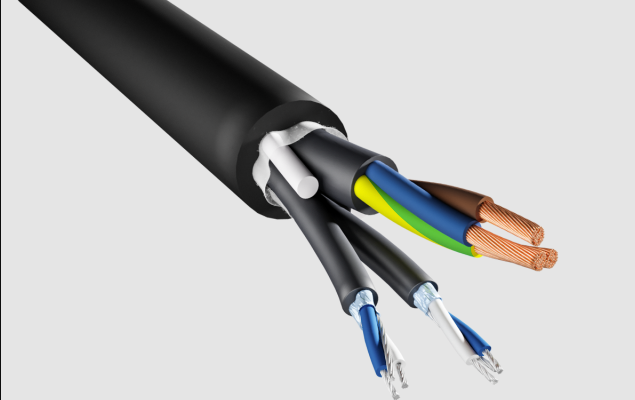
A hybrid cable typically integrates optical fibers with electrical conductors, allowing it to carry data signals alongside power. This dual functionality reduces the need for separate cabling systems, making it especially useful in environments where space, cost, and efficiency matter. From telecommunications infrastructure to smart buildings, its applications are steadily expanding.
Why Hybrid Cable Is Gaining Popularity
One of the key reasons behind the rising use of hybrid cable is its ability to reduce installation complexity. Instead of running separate lines for power and communication, installers can rely on a single cable that serves both purposes. This not only saves time but also minimizes clutter in cable management systems.
Another advantage is improved scalability. As networks evolve, especially with the growth of technologies like 5G and IoT, infrastructure must adapt quickly. Hybrid cables offer a flexible solution that can support both current needs and future upgrades without requiring major structural changes.
Energy efficiency is also a factor. By consolidating power and data transmission, hybrid cables can reduce overall material usage and streamline network design. This contributes to more efficient deployment, particularly in large-scale projects such as data centers or industrial facilities.
Applications Across Different Industries
The versatility of hybrid cable makes it suitable for a wide range of applications. In telecommunications, it is commonly used in base stations where both power and high-speed data connections are required. This helps simplify network rollout while maintaining reliable performance.
In smart buildings, hybrid cables support integrated systems such as security cameras, access control, and automation networks. These environments benefit from reduced wiring complexity and easier maintenance, especially when multiple systems are interconnected.
Industrial environments also rely on hybrid cable solutions. Factories and production facilities often require both power delivery and data communication for machinery and control systems. Using a single cable type improves organization and reduces the risk of installation errors.
Transportation infrastructure is another area where hybrid cables are gaining traction. From rail systems to intelligent traffic management, the ability to deliver power and data simultaneously supports efficient and reliable operation in demanding conditions.
See also: Elevating Business Presence Through Professional Media
Key Design Features and Considerations
A well-designed hybrid cable balances durability with performance. The optical fibers within the cable ensure high-speed data transmission, while the electrical conductors provide stable power delivery. Protective layers, including insulation and shielding, help maintain signal integrity and safeguard against environmental factors.
When selecting a hybrid cable, factors such as cable length, power requirements, and environmental conditions should be carefully evaluated. Outdoor installations may require additional protection against moisture, temperature changes, and mechanical stress. Indoor applications, on the other hand, may prioritize flexibility and ease of routing.
Proper installation practices are essential to ensure optimal performance. Maintaining the correct bending radius and avoiding excessive tension can help preserve both the electrical and optical components. With the right approach, hybrid cables can deliver long-term reliability with minimal maintenance.
Conclusion
The hybrid cable represents a practical solution for modern connectivity challenges, combining power and data transmission in a single, efficient design. Its ability to simplify infrastructure while supporting diverse applications makes it an increasingly valuable component in today’s networks.
As industries continue to demand smarter and more integrated systems, the role of the hybrid cable will only grow. By offering flexibility, efficiency, and reliability, it helps build the foundation for future-ready communication and power distribution systems.