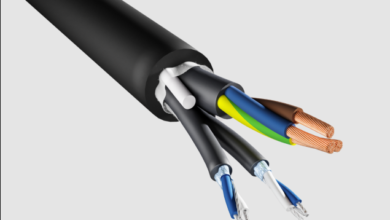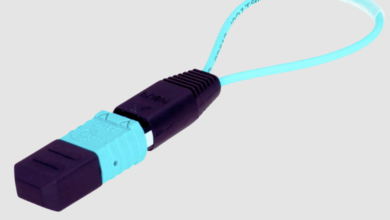
As the demand for high-speed internet continues to rise, the infrastructure supporting these connections has evolved significantly. One essential component of modern fiber optic networks is the FTTH drop aerial cable. Designed to deliver fiber-to-the-home (FTTH) services efficiently, these cables provide a reliable and flexible solution for extending high-speed internet directly to residential and commercial premises.
An FTTH drop aerial cable is specifically engineered to handle outdoor aerial deployment, connecting the main distribution network to individual buildings or homes. Its robust construction ensures durability against environmental factors such as wind, rain, and temperature variations, while maintaining excellent signal integrity. This makes it an ideal choice for last-mile connectivity, where reliability and performance are critical.
Key Benefits of FTTH Drop Aerial Cable
One of the primary advantages of the FTTH drop aerial cable is its ease of deployment. Unlike underground cables, aerial cables can be quickly installed along existing poles or overhead structures, reducing the time and cost associated with network expansion. This flexibility allows service providers to extend high-speed fiber services to new areas without the need for extensive civil work or trenching.
Durability is another significant benefit. These cables are typically designed with weather-resistant jackets and reinforced strength members to withstand tension and mechanical stress. This ensures that the cable maintains stable performance over long distances, even in challenging environmental conditions. High-quality materials also prevent signal degradation, supporting consistent broadband speeds for end users.
Moreover, FTTH drop aerial cables often feature multiple fiber counts, allowing service providers to connect several homes or units with a single cable run. This capability maximizes network efficiency and reduces infrastructure costs, making it an effective solution for densely populated neighborhoods and multi-dwelling units.
See also: Driving Business Growth with Advanced Customer Retention Software Solutions
Applications in Modern Fiber Networks
FTTH drop aerial cables are widely used in telecommunications and broadband networks to deliver fiber directly to homes and businesses. They are particularly suited for urban, suburban, and rural deployments where overhead pole lines are available. By running these cables along poles, service providers can quickly extend fiber connectivity without disrupting existing infrastructure or requiring extensive excavation.
In addition to residential applications, these cables are also employed in connecting small businesses, schools, and community centers. The aerial design allows for efficient routing over obstacles such as roads or rivers, enabling flexible network planning. Service providers can implement these solutions in both new developments and upgrades to existing copper or coaxial networks, providing faster and more reliable broadband services.
The high-density fiber structure of FTTH drop aerial cables also supports future-proofing. As network demand increases, additional fibers can be activated without the need for new cable installations, offering scalability for expanding broadband services. This adaptability ensures long-term network reliability while accommodating growth in user demand.
Installation Considerations and Best Practices
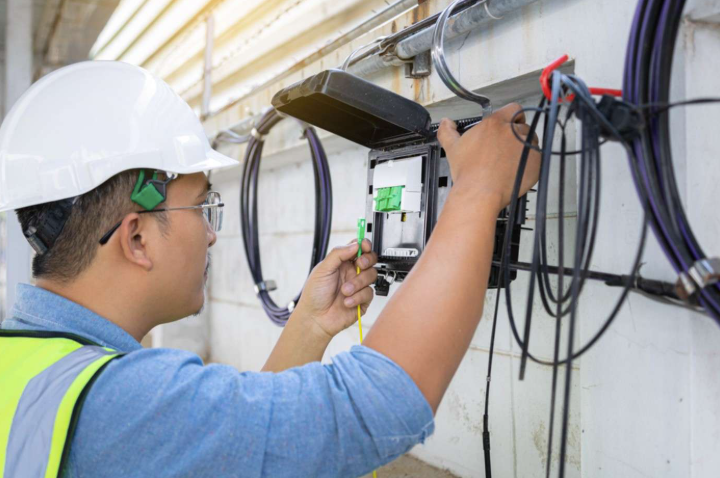
Proper installation of FTTH drop aerial cables is crucial for maintaining performance and durability. Technicians must adhere to recommended tension limits, bend radius, and attachment methods to avoid damaging the fibers. Securing the cable along poles with suitable hardware and using protective elements at entry points ensures stability and longevity.
Routine inspection and maintenance further enhance reliability. Checking for environmental wear, ensuring proper slack, and cleaning connectors when necessary help maintain consistent performance. Following these best practices ensures that the cable continues to deliver high-speed fiber services with minimal disruptions.
Conclusion
The FTTH drop aerial cable is a vital component in modern fiber optic networks, enabling reliable and efficient last-mile connectivity. Its robust design, flexibility, and ease of installation make it an excellent choice for delivering high-speed broadband directly to homes and businesses.
As demand for faster and more reliable internet grows, deploying FTTH drop aerial cables allows service providers to extend their networks efficiently while future-proofing for expanding user needs. With proper installation and maintenance, these cables ensure stable performance, durable operation, and scalable connectivity, forming the backbone of modern fiber-to-the-home networks.