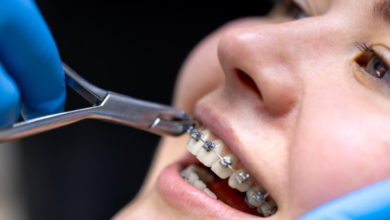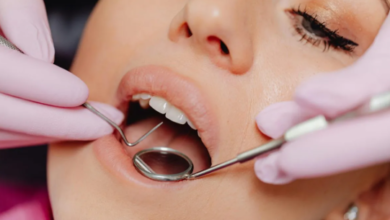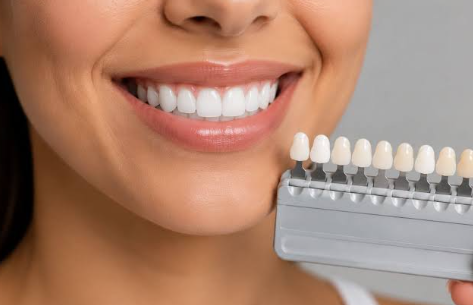
You see it every time you talk, smile, or catch your reflection. A chipped front tooth, a crack, staining that no whitening toothpaste can touch, or an old filling that suddenly stands out can make a normal day feel tense. You may be trying to act unfazed while quietly wondering how bad it is, how much it will cost, and whether the fix will actually look natural. If you are also exploring options like LANAP laser treatment for gum disease in San Jose, it can help to discuss both your cosmetic and periodontal concerns during the same visit.
That stress makes sense. A visible tooth sits at the center of your smile, and repair choices can feel harder than they should. The right option depends on how much tooth structure remains, how strong the repair needs to be, how closely it must match your natural enamel, and how long you want it to last. When you are comparing repair options for a front tooth, the goal is not just to cover damage. It is to restore comfort, function, and confidence.
The Type of Damage Changes Which Tooth Repair Options Make Sense
Small flaws and major breaks do not belong in the same category. A tiny chip may respond well to bonding. A cavity or worn area may need a tooth colored filling. A larger fracture may call for a veneer or crown. If the tooth has internal damage or pain, treatment may need to go deeper before the outside is repaired.
This is where many people get frustrated. Two repairs can look similar in a photo, yet one may fail quickly because it was used for the wrong problem. The National Institute of Dental and Craniofacial Research explains that dental fillings vary in material, placement, and expected use. That matters even more when the damaged tooth is visible every time you smile.
Ask what the repair is actually treating. Is it decay, a crack, wear, discoloration, trauma, or an old restoration that no longer blends in. Once you know the real issue, the options become easier to compare.
Appearance and Strength Often Pull in Different Directions
You want the tooth to look right, but you also need it to hold up when you bite, chew, and speak. Those goals overlap, though they are not always identical. Composite bonding can look beautiful and preserve more natural tooth structure, but it may stain or chip sooner than a stronger indirect restoration in some cases. A crown may offer more coverage and support, but it usually requires more reshaping of the tooth.
If you are weighing visible tooth repair choices, ask your dentist to show you where appearance and durability meet for your specific tooth. A front tooth that only has a small edge chip is different from one that has a large old filling and repeated stress from grinding. The best looking fix today is not always the one that performs best over time.
Material Choice Affects Longevity, Shade Match, and Future Repairs
Dental materials have improved a great deal, especially for restorations that need to blend with natural teeth. Research supported by the NIDCR on dental materials continues to focus on strength, wear resistance, and esthetics. That progress gives patients better options than they had years ago, but it also means there is more to compare.
Ask which material is being recommended and why. Composite resin, porcelain, and ceramic based restorations each have tradeoffs. One may be easier to repair if it chips. Another may resist staining better. Another may give the closest light reflection to enamel. If you drink coffee daily, clench your teeth, or want the most conservative treatment possible, those details matter.
| Option | Best For | Main Advantage | Main Limitation |
| Bonding | Small chips, minor shape changes, small visible flaws | Usually conservative and completed quickly | Can stain or chip over time |
| Tooth colored filling | Decay or small damaged areas | Blends with natural tooth color | Not ideal for every large visible defect |
| Veneer | Front surface damage, shape concerns, stubborn discoloration | Strong cosmetic improvement | Usually removes some enamel |
| Crown | Large fractures, weakened teeth, extensive old work | Full coverage and support | More tooth reduction than simpler repairs |
Cost Means More Than the Starting Price
A lower fee can feel like the obvious answer when you are already stressed. Then the repair chips, stains, or needs replacement sooner than expected, and the cheaper option stops being cheaper. The better question is how often this repair may need maintenance, polishing, touch ups, or full replacement.
Ask for the short term cost and the likely long term path. A repair that lasts years with routine care may be a better value than one that needs repeated fixes. This is one of the most useful ways to compare cosmetic and restorative dentistry options without getting lost in sales language.
Timing Matters When the Tooth Is Newly Damaged or Painful
If the tooth was injured in an accident, timing changes everything. A visible break can be cosmetic, but it can also involve the nerve, root, or surrounding tissues. The University of Iowa offers a helpful guide on dealing with dental emergencies, including what to do after trauma. Waiting too long can reduce repair choices or make treatment more involved.
If you have swelling, lingering pain, sensitivity to temperature, or a loose tooth, ask whether the tooth needs urgent evaluation before you compare appearance based options. Looking better matters, but protecting the tooth comes first.
The Right Questions Can Clarify Tooth Restoration Choices Fast
These six questions tend to cut through confusion:
1. What is the actual problem being repaired.
2. Which option preserves the most healthy tooth structure.
3. Which option will look most natural on this tooth.
4. How long does each option usually last in someone with my habits.
5. What maintenance or replacement should I expect.
6. Is this repair mainly cosmetic, mainly functional, or both.
A clear answer to each one gives you a much better basis for choosing among dental repair options than price alone.
See also: Driving Business Growth with Advanced Customer Retention Software Solutions
Three Practical Steps You Can Take Right Away
Take a close photo and note symptoms. Write down when the damage started, whether it hurts, and what triggers sensitivity. A photo from the day you noticed it can help track changes.
Ask for at least two treatment paths. One may be more conservative and one may be more durable. Seeing both side by side helps you compare tradeoffs instead of feeling pushed toward a single answer.
Protect the tooth until you are seen. Avoid biting hard foods with it, skip very hot or cold foods if it is sensitive, and seek prompt care if pain, swelling, or looseness appears.
You do not need to have all the answers before making the appointment. You just need the right questions. A visible tooth problem can feel personal and urgent because it affects how you eat, speak, and show up around other people. With a careful evaluation and a repair plan that fits both the tooth and your priorities, you can move forward with more confidence.