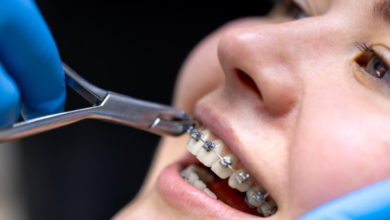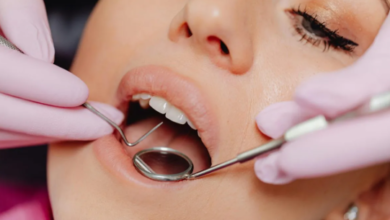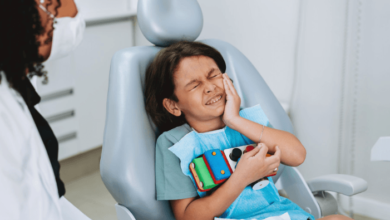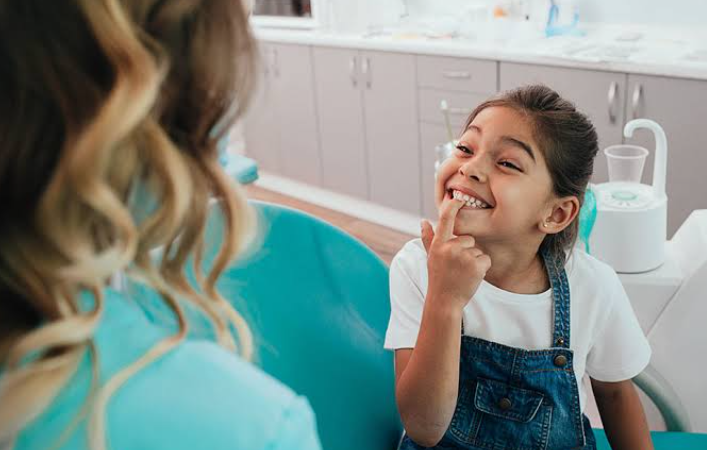
You sit down for a cleaning, expecting the usual polish and rinse, and then the dentist or hygienist starts talking about brushing angles, snack habits, dry mouth, or why your child’s back teeth need extra attention. It can feel like a lot when you came in for a simple appointment, especially when discussions also touch on dental care for children and adults in Enfield. If you have ever thought, “I know I should floss more, but I do not need a lecture,” you are not alone.
The truth is simpler and more helpful than it may seem. Family dental practices focus on education at every visit because most oral health problems build slowly, often without pain at first, and small daily habits shape what happens between appointments. A family dentist is not only checking for cavities. They are trying to help you avoid the next one, catch gum disease early, and make home care more effective for every age in your household.
Family dental education is meant to prevent problems before they grow
Most people do not ignore their teeth on purpose. Life gets busy, kids resist brushing, adults clench their jaws from stress, and many people assume that if nothing hurts, nothing is wrong. That is exactly why education comes up so often in a family practice. Tooth decay, gingivitis, enamel wear, and bite issues can move forward quietly. By the time pain shows up, treatment is often more expensive, more time consuming, and harder on your routine.
That steady education is part of preventive care. A dentist may explain why bleeding gums during flossing are not “normal for you,” why your child’s brushing routine needs to change as they get older, or why frequent sipping on sports drinks keeps acid on the teeth longer than most people realize. These are not random comments. They are practical warnings tied to what the team sees in your mouth every few months.
Public health guidance supports this approach. The CDC’s overview of oral health makes the connection clear. Oral health affects eating, speaking, learning, and overall well being, and common dental disease is largely preventable. Prevention depends on what happens at home as much as what happens in the chair.
Dental visits become more useful when advice is tailored to your daily life
Generic advice rarely sticks. “Brush and floss more” is easy to tune out because it does not solve the real obstacle. A good family practice teaches in a way that fits your actual routine. If your child gags on mint toothpaste, that matters. If your teen wears aligners and snacks all day, that matters. If you work nights and fall asleep without brushing, that matters too.
This is one reason patient education in family dentistry gets repeated visit after visit. The guidance changes as your life changes. A preschooler may need help with brushing technique and sugary drink habits. A teenager may need reminders about mouthguards, wisdom teeth, or orthodontic hygiene. Adults may need support around grinding, gum recession, crowns, diabetes, or dry mouth from medication. Older adults may need extra help caring for bridges, implants, or partial dentures.
Research also shows that oral health is tied to broader health patterns across the country. The Oral Health in America report describes how access, habits, age, and medical conditions all shape dental outcomes. Education helps close the gap between what people intend to do and what actually happens at home.
Teaching during each family dentist visit can lower long term cost and stress
Most families are not worried about brushing theory. They are worried about bills, missed school, missed work, and hearing that someone needs treatment they did not expect. That is another reason family practices teach so much. A few minutes of clear instruction can help prevent a filling, a deep cleaning, or a dental emergency later.
Think about a child with early plaque buildup around the gumline. If the hygienist shows the parent and child exactly where the brush is missing and they fix it at home, that problem may stay minor. If no one explains it, the same child may come back with inflamed gums, more tartar, and a stronger fear of dental visits because every appointment feels corrective instead of routine.
The same pattern shows up in adults. You might have mild gum irritation that seems harmless, but if no one explains what is causing it, the next visit may bring deeper pockets, tenderness, and treatment you could have avoided. Why family dental practices often emphasize education at every visit comes down to this basic fact. Understanding leads to action, and action often prevents bigger problems.
Daily habits and office care work best together
Professional cleanings and exams matter, but they cannot replace daily care. The National Institute of Dental and Craniofacial Research offers oral hygiene guidance that points to the basics many people know but do not always apply well, including brushing with fluoride toothpaste, cleaning between teeth, and paying attention to signs like bleeding gums or sensitivity.
| Approach | What It Looks Like | Likely Result Over Time |
| Office care without home changes | Regular cleanings, same brushing and diet habits at home | Problems may return between visits, including plaque buildup, decay, and gum irritation |
| Home care without regular checkups | Good brushing and flossing, but skipped exams and cleanings | Hidden issues like early cavities, bite changes, or gum disease may go unnoticed |
| Education plus daily follow through | Personalized advice used at home, with routine professional visits | Better chance of preventing disease, catching issues early, and reducing treatment costs |
Small actions make family dental care more effective
Track one weak spot. Do not try to overhaul everything at once. Pick the one habit your dental team keeps mentioning, whether that is flossing, brushing longer, cutting back on juice, or wearing a nightguard. Improvement usually starts with one repeated fix, not a perfect routine overnight.
Ask for a demonstration. If something is not working, ask the hygienist to show you. Ask how to angle the toothbrush, where your child is missing, or which flossing tool fits your bridge or braces. A quick demonstration often clears up months of frustration.
Make the next visit educational on purpose. Bring a real question. Mention sensitivity, bleeding, bad breath, clenching, or the snack habits you know are causing trouble. A family dental practice can give better guidance when the conversation is specific.
See also: Driving Business Growth with Advanced Customer Retention Software Solutions
Education at every visit supports healthier routines at home
When a family dental office keeps teaching, it is not because they think you are failing. It is because oral health changes, routines slip, kids grow, and prevention works best when the advice stays current and personal. That steady guidance can save money, reduce stress, and make each visit feel less reactive.
If your dental appointments include a lot of instruction, that is usually a good sign. It means your provider is looking past today’s cleaning and trying to protect your future health. Keep listening, ask for clear examples, and use the next visit to tighten one habit that will pay off every day after you leave the chair.