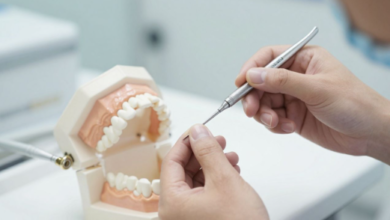
You may already know the look you want. Straighter edges. A brighter smile. Veneers that finally cover the chips you notice in every photo. Then the dentist starts talking about fillings, gum health, bite pressure, enamel, old dental work, and Invisalign treatment in Morgan Hill, and it can feel like the cosmetic part keeps getting pushed farther away.
That frustration makes sense. Most people think cosmetic treatment starts with the visible change, but the real starting point is stability. How general dentistry prepares teeth for cosmetic restorations comes down to one simple truth. Teeth have to be healthy before they can be made beautiful in a way that lasts. A general and cosmetic dentist looks at the foundation first, then builds the cosmetic result on top of it.
General dentistry creates the foundation for cosmetic restorations
Cosmetic dentistry is not just about shade and shape. Veneers, bonding, crowns, and whitening all depend on what is happening underneath. If you have decay around an old filling, inflamed gums, worn enamel, or a bite that hits unevenly, cosmetic work can fail early or look good for only a short time.
This is where routine dental care matters more than most people expect. Cleanings remove plaque and tartar that irritate the gums. Exams catch cracks, cavities, and weak restorations before they become bigger problems. X rays help your dentist see what cannot be spotted from the chair alone, including bone support and hidden decay. If you are planning veneers or crowns, that information changes the treatment plan.
A patient might come in asking for veneers because the front teeth look uneven, but the real issue may be grinding at night. Another may want bonding over a chipped tooth, only to learn the chip happened because the bite is off and the front teeth are taking too much force. Cosmetic work without fixing those conditions usually leads to repeat repairs, added cost, and more frustration.
Preparing teeth for veneers and crowns often includes small but necessary steps. A cavity may need to be treated first. An old filling may need replacement so the tooth has stronger support. Gum inflammation may need time to settle so the final cosmetic work sits against healthy tissue and looks natural. This is not a delay for the sake of delay. It is what protects your result.
See also: The Impact of Bariatric Surgery on Quality of Life in Patients with Obesity
Healthy gums, stable enamel, and bite balance shape the final result
People often focus on the front surface of the tooth because that is what shows. Dentists have to think wider than that. The gums frame the smile, enamel supports bonding, and the bite determines how long the restoration survives under daily pressure.
If gums are swollen or uneven, the edge of a veneer or crown may not blend well. If enamel is thin, the dentist has less ideal structure for bonding. If you clench or grind, a beautiful restoration can chip or loosen. The cosmetic plan has to match your mouth as it is, not just the look you want on a screen.
Material choice matters too. Research supported by the National Institute of Dental and Craniofacial Research shows how dental materials continue to improve, which helps dentists choose restorations that balance appearance, strength, and longevity. That does not erase the need for tooth preparation. Better materials work best when they are placed on healthy, well-planned foundations.
If your treatment includes crowns, your dentist may review the basics of the dental crown procedure so you understand how damaged teeth are shaped, protected, and restored. If veneers are part of your plan, the process also depends on enamel quality, smile design, and tooth position. The American Dental Association explains how veneers are used to improve tooth appearance, but the success of that cosmetic step still rests on general dental health.
Professional preparation lowers the risk of cosmetic failure
When people skip the health first approach, the problems tend to show up fast. Margins stain. Gums stay irritated. Restorations feel bulky because the bite was not adjusted correctly. A tooth that needed a crown gets bonding instead, then breaks again. The result can cost more than doing it right the first time.
| Preparation Step | Why It Matters Before Cosmetic Work | What Can Happen If Skipped |
|---|---|---|
| Cleaning and gum evaluation | Creates a healthy tissue frame for veneers, bonding, or crowns | Bleeding, swelling, uneven smile line, poor cosmetic blending |
| Cavity treatment and old filling review | Removes decay and strengthens the tooth underneath the restoration | Hidden decay, weak support, early failure of cosmetic work |
| Bite analysis | Shows where pressure lands during chewing and grinding | Chipping, cracking, loosening, repeated repairs |
| Enamel and structure assessment | Helps determine whether bonding, veneers, or crowns fit best | Poor bonding strength, over-treatment, short-lived results |
| Shade and material planning | Matches appearance to function and long term wear | Unnatural look, staining, mismatch with nearby teeth |
Cosmetic dental preparation works best when you take clear first steps
Schedule a full diagnostic exam. If you are thinking about cosmetic work, ask for a complete evaluation instead of a quick quote. You want to know the condition of your gums, existing fillings, enamel, and bite before choosing veneers, bonding, or crowns.
Fix disease before shape and shade. Cavities, gum inflammation, cracked fillings, and grinding issues should be handled first. This part may not feel exciting, but it is what gives cosmetic restorations a fair chance to last and look right.
Ask for a treatment sequence. A good plan should explain what happens first, what can wait, and which cosmetic option fits your tooth structure. That sequence is the bridge between routine care and the final smile design. It also helps you plan time and cost with fewer surprises.
Routine dental care supports long lasting cosmetic results
Cosmetic restoration preparation is not separate from general dentistry. It is built on it. The cleaning, exam, x rays, filling replacement, gum care, and bite review are not side issues. They are the reason a cosmetic result can look natural and stay stable.
If you have been told you need dental work before cosmetic treatment, that does not mean your goals are out of reach. It means the process is being done with care. Healthy teeth and gums give your smile the best chance to hold up under real life, not just in the mirror on day one.
When you are ready, schedule a visit with a general and cosmetic dentist and ask for a plan that starts with function, then moves to appearance. That is how strong cosmetic dentistry is built.