You want your smile to look better, but you do not want to hear that improving it means losing healthy tooth structure. That concern is real. A lot of people put off seeing a family and cosmetic dentist because they picture aggressive drilling, shaved down teeth, and work they cannot undo, especially when considering options like dental crowns in Richmond Hill, NY. If that sounds familiar, you are not being overly cautious. You are protecting something that does not grow back.
The good news is that modern cosmetic dental care often aims for the opposite. A thoughtful treatment plan can improve color, shape, spacing, and balance while preserving as much natural enamel as possible. That is the heart of conservative cosmetic dentistry. It focuses on small changes with lasting impact, and it respects the strength of your own teeth.
Modern cosmetic dentistry often starts with preserving healthy enamel
The old fear usually starts with stories about crowns on front teeth when the real issue was minor chips or discoloration. That is where people feel trapped. They want a nicer smile, then worry they will have to give up too much to get it. In many cases, that is not the standard approach anymore.
Enamel matters because it is your tooth’s strongest outer layer. Once it is removed, it cannot be replaced naturally. That is why many dentists start with options that either avoid reduction altogether or require only the smallest adjustment. Preventive support matters too. Daily habits, regular exams, and trusted resources on dental health help protect the foundation before cosmetic treatment even begins.
Teeth whitening improves appearance without reshaping the tooth
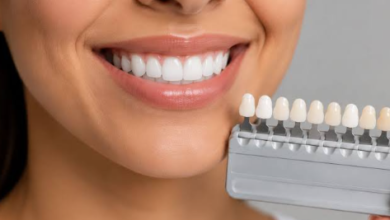
Professional whitening is one of the clearest examples of a tooth sparing cosmetic treatment. If your teeth are healthy and the main issue is staining from coffee, tea, wine, tobacco, or age, whitening can brighten your smile without changing the shape of the tooth at all.
This option is often overlooked by people who assume they need veneers when what they really need is a color correction. A dentist can also check whether darkening is from surface stain, internal discoloration, or decay, because those problems do not all respond the same way. Supportive care still counts here. The National Institute of Dental and Craniofacial Research offers helpful information about fluoride, which plays a role in strengthening teeth and lowering cavity risk.
Dental bonding repairs small flaws with little to no drilling
Bonding can be a smart choice when you have a chipped edge, a small gap, uneven contours, or a tooth that looks shorter than the one next to it. The material is placed directly on the tooth and shaped to blend in. In many cases, little or no enamel removal is needed.
This matters when the flaw is small but your frustration is not. A tiny chip can pull your eye every time you look in the mirror. Bonding can fix that without committing you to a more aggressive treatment. It is also easier to adjust or repair later than some other cosmetic options. For many people, this is one of the best examples of tooth sparing cosmetic dentistry.
Minimal prep veneers can correct shape and spacing conservatively
Veneers are not always the same thing as heavy tooth reduction. Minimal prep veneers, when you are a good candidate, can improve shape, close small spaces, and create better symmetry with far less enamel removal than traditional full coverage restorations.
The key phrase is “when you are a good candidate.” If teeth are severely crowded, heavily restored, or positioned in a way that would make veneers bulky, minimal prep may not work well. This is where careful planning matters. A conservative dentist does not force the same solution onto every smile. They match the treatment to the tooth, not the other way around.
Clear aligners can improve smile alignment without cutting teeth
Sometimes the issue is not color or shape. It is the way the teeth sit. One tooth turns inward, another overlaps, and suddenly the whole smile feels off. In that situation, moving the teeth into a better position may preserve more tooth structure than covering the problem with restorations.
Clear aligners can be part of a cosmetic dentistry plan that is both aesthetic and conservative. By correcting spacing or mild crowding first, you may need less bonding or fewer veneers later, or none at all. That can save enamel and reduce future maintenance.
Gum contouring and modern materials can refine a smile with less intervention
Not every cosmetic concern starts with the teeth themselves. If one tooth looks too short, the real issue may be extra gum tissue covering part of the enamel. Careful gum contouring can create balance without changing the tooth underneath. That can prevent unnecessary restorative work.
Materials have improved too. Newer dental materials are designed for strength, durability, and bonding performance, which supports more conservative treatment planning. Research from the NIDCR on dental materials shows how material science continues to shape less invasive care.
See also: Driving Business Growth with Advanced Customer Retention Software Solutions
Conservative cosmetic options differ in how much tooth structure they affect
| Treatment | Main Concern Addressed | Tooth Structure Removal | Best Fit |
| Professional Whitening | Staining and dull color | None | Healthy teeth with surface or age related discoloration |
| Bonding | Chips, small gaps, uneven edges | Usually none or very minimal | Small cosmetic changes |
| Minimal Prep Veneers | Shape, spacing, symmetry | Minimal in selected cases | Patients needing broader smile design changes |
| Clear Aligners | Mild crowding or spacing | None in most cases | Teeth that need repositioning |
| Full Crowns | Heavy damage or structural weakness | More significant | Teeth that need full coverage for strength, not simple cosmetic improvement |
Small decisions now can protect your smile for years
Ask what can be preserved. During a consultation, ask how much enamel must be removed for each option. A good plan should explain why a treatment is needed, what the tradeoffs are, and whether a less invasive choice can get you where you want to go.
Start with the least invasive option that solves the problem. If whitening fixes the issue, you may not need veneers. If aligners create enough improvement, you may need less bonding afterward. The best cosmetic result is not always the biggest procedure.
Think beyond the before and after photo. Ask how the treatment will age, what maintenance it needs, and what happens if it chips, stains, or wears down. Conservative care is not only about today’s result. It is about protecting your teeth ten years from now.
If you have been avoiding cosmetic treatment because you do not want healthy teeth cut down, that instinct makes sense. You do not have to choose between a natural smile and a better looking one. A skilled family and cosmetic dentist can often improve your smile with a plan that respects your enamel, your comfort, and your long term oral health. If you are ready, schedule a consultation and ask for the most conservative path to the result you want.