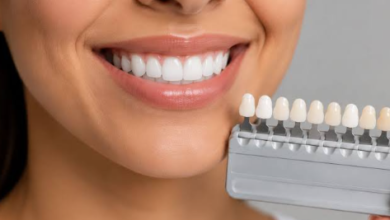
You may not think much about how you chew until something feels off. Food keeps landing on one side of your mouth, your jaw clicks when you bite down, or one tooth seems to do more work than the rest. That kind of thing is easy to brush off, especially when life is busy and nothing hurts enough to force your attention. Still, chewing is not just a habit. It shapes how your teeth wear down, how your jaw muscles work, and how comfortable your mouth feels day to day. In some cases, concerns about bite patterns can overlap with appearance goals, including cosmetic dentistry for stained teeth Ramona.
The role of chewing patterns in everyday dental health comes down to pressure, balance, and repetition. When you chew evenly, your teeth and jaw share the workload in a way they were built to handle. When you chew mostly on one side, clench, rush through meals, or avoid certain teeth because they feel sensitive, your mouth adapts. Sometimes that adaptation leads to worn enamel, gum irritation, jaw strain, or a bite that feels less stable over time.
Uneven chewing patterns can strain teeth and jaws over time
Most people have a preferred chewing side. That alone is not always a problem. The issue starts when the pattern becomes extreme or when it develops because something is wrong. A cracked filling, a sore tooth, missing teeth, or a bite that does not line up well can push you into favoring one side without you even noticing.
That creates a chain reaction. The overused side takes more force, which can speed up wear on the chewing surfaces and make certain teeth more likely to chip. The less used side gets less stimulation, and plaque may build more easily around areas that are not being cleaned naturally by normal chewing and saliva flow. Jaw muscles can tighten on one side and feel tired by the end of the day. You might wake up with facial soreness and assume it is stress alone, even though your bite pattern is part of the picture.
Chewing habits and oral health are closely linked because your mouth works as a system. Teeth, gums, muscles, and joints all respond to repeated force. If one part is under strain, the rest often follows. A person who avoids chewing on the left because of a sensitive molar may end up with right side jaw pain. A person who gulps food and barely chews may deal with discomfort, accidental cheek biting, or pressure on already worn teeth.
Daily habits often hide the cause of bite imbalance
Some chewing problems are obvious. Missing teeth change how food breaks down and where force lands. Poorly fitting crowns or fillings can make your bite feel high. Grinding and clenching can flatten teeth and change the way they meet. Other causes are quieter. Sinus pressure, stress, dry mouth, and old dental work can all shift your chewing behavior little by little.
You may also be doing what many people do, which is adapting around discomfort instead of addressing it. If cold drinks sting one tooth, you chew somewhere else. If your jaw pops, you take smaller bites. If one side feels weak, you stop using it. That coping style makes sense in the moment, but over months or years it can add wear and create new problems that cost more to fix.
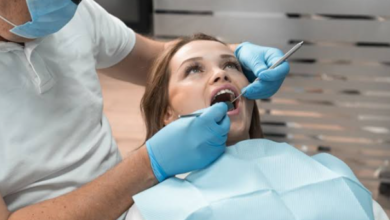
The good news is that simple awareness helps. Paying attention to whether you always chew on one side, whether your jaw gets tired, or whether certain foods feel hard to manage can reveal issues early. A general dentist can check for bite problems, worn enamel, gum recession, damaged restorations, and jaw stress before the damage grows.
Better chewing function supports everyday dental health
Balanced chewing helps protect your teeth in practical ways. It spreads force across more teeth, supports normal jaw movement, and makes it easier to chew food thoroughly. That matters for comfort, but it also matters for prevention. Good chewing function works best alongside daily brushing, flossing, and regular checkups. You can review basic prevention guidance from the CDC’s oral health tips for adults and broader information from the NIH oral and dental health resource.
This is where bite and chewing health becomes more than a small detail. It affects how long restorations last, how comfortable your jaw feels, and whether your teeth are wearing in a healthy pattern or a damaging one.
Common chewing patterns and their likely effects
| Chewing Pattern | What It Often Looks Like | Likely Effect on Dental Health |
| Balanced side to side chewing | Food is chewed on both sides over time | More even tooth wear, less muscle strain, steadier bite function |
| One sided chewing | Most meals stay on the same side | Uneven wear, overloaded teeth, jaw soreness, plaque buildup on the unused side |
| Avoidance chewing | Certain teeth are skipped because of pain or sensitivity | Hidden decay, cracked fillings, shifting bite habits, delayed treatment |
| Fast, minimal chewing | Large bites and quick swallowing | Higher stress on select teeth, cheek biting, poor awareness of discomfort |
| Clenching or grinding related chewing strain | Jaw fatigue, flattened teeth, tight facial muscles | Enamel wear, chips, joint irritation, headaches |
Small changes can improve chewing patterns before bigger problems start
1. Notice your chewing side and jaw comfort.
Pay attention during two or three meals. If you always use one side, if your jaw clicks, or if one area feels weak, write it down. Patterns are easier to fix when you catch them early.
2. Do not work around pain for months.
Sensitivity, a rough edge, a high filling, or a missing tooth can all change how you chew. If you keep adapting, the stress spreads. Getting the source checked by a dentist is often simpler than dealing with the wear that follows.
3. Support your mouth with steady daily care.
Brush twice a day with fluoride toothpaste, clean between teeth daily, stay hydrated, and keep regular dental visits. If you grind or clench, mention it. Protecting your teeth from extra force is part of protecting your chewing pattern too.
See also: Driving Business Growth with Advanced Customer Retention Software Solutions
Healthy chewing patterns make everyday dental care work better
Your mouth is good at adapting, sometimes too good. You can get used to an uneven bite, a sore tooth, or a tired jaw and treat it like normal. It does not have to stay that way. Paying attention to how you chew can reveal early signs of trouble and help protect your teeth, gums, and jaw from avoidable wear.
If something feels off, schedule a visit with a general dentist and get a clear look at what your bite is doing every day.