You brush, you floss when you can, and you try not to overthink every twinge in a tooth. Even then, it is easy to wonder if you are doing enough. Cavities do not always announce themselves early. They can start small, stay quiet, and turn into a bigger problem before you realize anything is wrong. That is why regular dental checkups do more than clean your teeth. They catch tooth decay early, lower the chance of pain, and help you avoid the kind of treatment that costs more, takes more time, and disrupts your life. In cases where missing teeth become an issue, Kamloops dental implants may also be part of a longer-term dental care plan.
A lot of people wait until something hurts. That makes sense. Life gets busy, dental visits can feel easy to postpone, and if your mouth seems fine, it is tempting to push the appointment back again. The problem is simple. Cavities often begin long before pain shows up, and by the time you feel clear symptoms, the decay may already be deeper than you thought.
Regular checkups catch cavities before they become expensive problems
Tooth decay starts when bacteria in your mouth feed on sugars and starches, producing acids that wear down tooth enamel. The CDC explains how cavities form and why they are so common across all age groups. What starts as a weak spot in enamel can become a cavity, then spread into deeper layers of the tooth. Once decay reaches the inner tooth, you are no longer looking at a small filling. You may need a crown, root canal, or extraction.
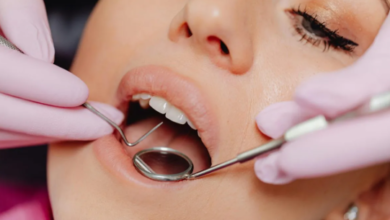
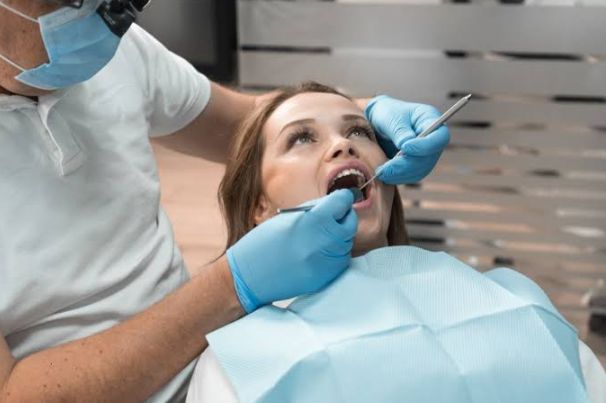
This is where a general dentist changes the whole timeline. During a checkup, your dentist looks for early signs you will not see in the mirror. Small soft spots, plaque buildup near the gumline, early enamel damage, and changes on X rays often show up before pain does. That early window matters. A tiny area of decay can often be treated quickly and simply. A delayed visit can turn the same issue into weeks of discomfort and a much higher bill.
You may have had this happen before. A skipped cleaning turns into bleeding gums. A little sensitivity turns into a cracked filling. A tooth that only bothered you with cold drinks suddenly wakes you up at night. Those are the moments when people realize prevention would have been easier than repair.
See also: The Impact of Bariatric Surgery on Quality of Life in Patients with Obesity
Preventive dental visits protect more than your teeth
Oral health affects daily life in ways people tend to ignore until something goes wrong. Eating becomes uncomfortable. Sleep gets interrupted. Work gets harder when you are distracted by pain. Smiling feels different when you are worried about how your teeth look. According to the CDC oral health overview, oral health is tied to overall health and quality of life, not just the condition of your teeth.
Regular visits also help your dentist spot patterns. Maybe dry mouth is raising your cavity risk. Maybe grinding is wearing down enamel. Maybe a child is missing spots while brushing the back teeth. Maybe an adult has old dental work that is starting to fail around the edges. These are not dramatic issues at first, but they build over time. A checkup gives you a chance to adjust before the damage spreads.
The NIH oral and dental health resource also points to prevention as a key part of staying healthy. That includes home care, diet, fluoride, and professional exams. One piece without the others leaves gaps. Brushing at home matters. So does having a trained set of eyes checking the areas you cannot evaluate on your own.
Skipping routine exams often costs more than keeping them
People often delay checkups to save money. The irony is that untreated cavities usually become more expensive. A preventive visit may include an exam, cleaning, and X rays. A delayed cavity may lead to a filling. If that filling is postponed, the tooth may need a crown. If decay reaches the nerve, treatment becomes more involved. The price difference can be hard to ignore.
| Dental Situation | What Usually Happens | Likely Impact on Time and Cost |
| Routine checkup and cleaning | Early plaque removal, exam, possible early cavity detection | Lower cost, less time, fewer surprises |
| Small cavity found early | Simple filling | Moderate cost, short visit, limited discomfort |
| Cavity ignored until pain starts | Large filling, crown, or root canal may be needed | Higher cost, more visits, more recovery |
| Severe decay left untreated | Possible infection or tooth loss | Highest cost, urgent care, major disruption |
This is the practical case for preventive dental care for cavities. It protects your comfort, your schedule, and your budget at the same time. That is hard to match with any at home shortcut.
Simple steps make cavity prevention more realistic
Schedule visits before you have a problem. Book your next exam and cleaning before you leave the office. If you wait until life calms down, it often does not happen. A set appointment turns good intent into action.
Pay attention to small changes. Sensitivity, rough spots, food getting stuck in one place, or bleeding when you floss can all be early signs that something needs attention. They do not always mean a cavity, but they do mean your mouth is asking for a closer look.
Build a routine that supports professional care. Brush twice a day with fluoride toothpaste, floss daily, and be honest about sugar and snacking habits. Professional care works best when your daily habits support it. General dentist visits are stronger protection when they are part of a full routine, not the only line of defense.
Regular checkups remain the strongest defense against tooth decay
You do not need perfect habits to protect your teeth. You need consistency, early attention, and a plan that catches problems before they grow. That is the real reason why regular checkups are the best protection against cavities. They give you a chance to stay ahead of decay instead of reacting to damage after it hurts. If it has been a while since your last visit, now is a good time to schedule one and give yourself the relief of knowing where things stand.