You may have reached the point where old fillings are showing, crowns do not match the rest of your teeth anymore, or a smile that once felt “finished” now feels tired. That can be frustrating in a very specific way. You already put time, money, and trust into dental work, so needing to revisit it can feel unfair. It can also make you wonder whether anything will actually look natural this time. Working with a family dentist in Hemet, CA can help you explore options that feel more natural and cohesive.
The good news is that modern approaches to refreshing smiles after years of dental work are much more precise than they used to be. Materials have improved, cosmetic planning is more customized, and treatment can often build on what you already have instead of starting from scratch. A skilled general and cosmetic dentist can often replace worn or mismatched work, protect healthy tooth structure, and create a result that looks more even, brighter, and more like you.
Older dental work often changes before you notice it all at once
Most people do not wake up one day and decide their entire smile needs attention. It usually starts small. A bonding edge picks up stain. A crown near the front tooth looks a little flat or opaque in photos. Silver fillings become more visible as surrounding enamel darkens or wears. Then one day you see everything at once, and that is when the stress hits.
Dental work ages differently than natural teeth. Porcelain, composite, enamel, and gum tissue all respond to time in their own way. Biting pressure, grinding, coffee, wine, and normal wear can change the look and fit of old restorations. According to MedlinePlus guidance on dental crowns, crowns are often used when teeth are weak, broken, or heavily restored, but they still need long term monitoring because the surrounding tooth and gum tissue can change over time.
This is where many people get stuck. They assume “refreshing” a smile means veneers on every tooth or a full cosmetic overhaul. Often that is not the case. A thoughtful plan may involve replacing only failing restorations, reshaping a few edges, whitening natural teeth first, then matching new restorations to the brighter shade. That is a very different process from redoing everything, and it usually leads to a more conservative result.
Modern smile renewal focuses on preservation, shade matching, and bite stability
The biggest shift in smile restoration after old dental work is that treatment planning now tends to be less aggressive and more coordinated. Instead of looking at one crown or one chip in isolation, a dentist evaluates the whole picture. Color. Contour. Gum line. Bite force. Facial symmetry. The way your teeth show when you talk and smile.
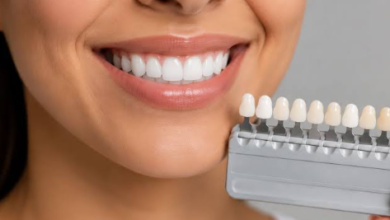
If one front crown looks darker than the others, replacing only that crown might seem simple. Sometimes it is. Sometimes it creates a new mismatch because the neighboring teeth have changed too. If several old restorations were placed years apart, they may each reflect a slightly different shade system or material. That patchwork effect is common, and it is one of the main reasons people seek cosmetic updates.
Dental materials have also come a long way. The National Institute of Dental and Craniofacial Research highlights ongoing work in advanced dental materials research, including stronger and more esthetic options that support longer wear and better appearance. That matters when you want a result that does not just look good in the chair, but still looks right in daylight, in photos, and after years of use.
There is also growing interest in tissue healing and biologic repair. Research supported by NIDCR in regenerative medicine for oral health points toward better ways to support damaged tissues and preserve natural structures. For patients, that means the direction of care is moving toward saving what is healthy whenever possible.
Refreshing a smile can be cosmetic, functional, or both
Many people start this process because they do not like how their smile looks, then learn there is also a function issue underneath. Worn edges may point to grinding. Repeated chipping may reflect bite imbalance. Dark spaces near old crowns can signal recession or leakage. Ignoring the cause often leads to repeat repairs, and that gets expensive fast.
A cosmetic dental refresh works best when appearance and durability are planned together. If whitening is done after crown replacement, the color match may be off. If worn teeth are rebuilt without addressing clenching, the new work may fail early. If gum health is unstable, even beautiful restorations can look uneven within months. Good cosmetic dentistry is not only about brighter teeth. It is about making the whole smile hold together.
Common options for updating older dental work
| Option | Best For | Main Benefit | Main Consideration |
| Professional whitening | Natural teeth with surface or age related discoloration | Improves overall brightness before matching new work | Does not change the color of crowns, veneers, or fillings |
| Bonding replacement or repair | Small chips, worn edges, minor shape issues | Conservative and usually completed quickly | May stain or wear sooner than porcelain |
| New crowns or veneers | Mismatched, worn, fractured, or aging visible restorations | Can improve shape, shade, and symmetry | Needs careful planning for bite and color harmony |
| Filling replacement | Old metal or failing tooth colored fillings | Refreshes appearance and can improve seal | Not every old filling needs replacement if it is still sound |
| Night guard with restorative work | Patients who grind or clench | Protects new dental work from heavy wear | Works only if worn consistently |
Dental smile makeover planning works better when expectations are specific
“I want my smile to look better” is a real starting point, but it is too broad for a good plan. Better can mean whiter, less bulky, more even, less fake looking, or simply more age appropriate. The clearer your goals are, the easier it is to avoid results that feel overdone.
That is especially true when you already have years of dental history. If you have one implant crown, several fillings, a bridge, and edge wear from grinding, your plan needs sequencing. Whitening may come first. Gum treatment may come first. Replacing visible restorations may happen in stages. That staged approach often protects your budget and gives you time to judge changes carefully.
See also: Driving Business Growth with Advanced Customer Retention Software Solutions
Three steps you can take right away
1. Make a list of what bothers you most. Do not just say “everything.” Write down what you notice in photos, in the mirror, and when you eat or speak. Color mismatch, chips, dark fillings, bulky crowns, gum changes, sensitivity, or bite discomfort all matter.
2. Ask for a full review of old restorations. You want more than a quick polish. Ask which restorations are failing, which are only cosmetic concerns, and which teeth can be left alone. That helps separate true needs from optional upgrades.
3. Request a phased treatment plan. A phased plan shows what should happen first, what can wait, and where cosmetic choices fit in. That is one of the best ways to make cosmetic dentistry feel manageable instead of overwhelming.
If your smile has changed after years of dental work, you are not being picky, and you are not imagining it. Dental work ages, mouths change, and what looked right years ago may not fit your face or needs now. A careful refresh can improve comfort, appearance, and confidence without turning your smile into something that does not feel like yours.
When you are ready, schedule a consultation with a general and cosmetic dentist and ask for a personalized plan to update old dental work in a way that protects what is healthy and improves what no longer works.