You sit down for a cleaning or exam, expecting a quick look at your teeth, and instead your family dentist starts talking about brushing habits, dry mouth, diet, grinding, or why one spot keeps trapping food. It can feel like a lot when you came in for treatment, not a lesson. Still, that extra time matters. A family dentist is not just fixing what hurts today. The goal is to help you avoid the next cavity, the next cracked filling, the next expensive surprise, and learn more about family dentistry in South Reno.
That is why why family dentists emphasize education at every appointment comes down to one simple truth. Most dental problems build slowly, and small daily choices shape what happens between visits. Education gives you a clearer picture of what is going on in your mouth, what your risks are, and what you can do at home to protect your teeth and gums.
Patient Education In Family Dentistry Prevents Small Problems From Growing
Most people are not ignoring their oral health on purpose. Life gets busy. You brush fast before work, skip flossing when you are tired, and keep putting off that sensitivity because it only shows up with cold drinks. That is normal. The trouble is that tooth decay and gum disease do not wait for a less hectic week.
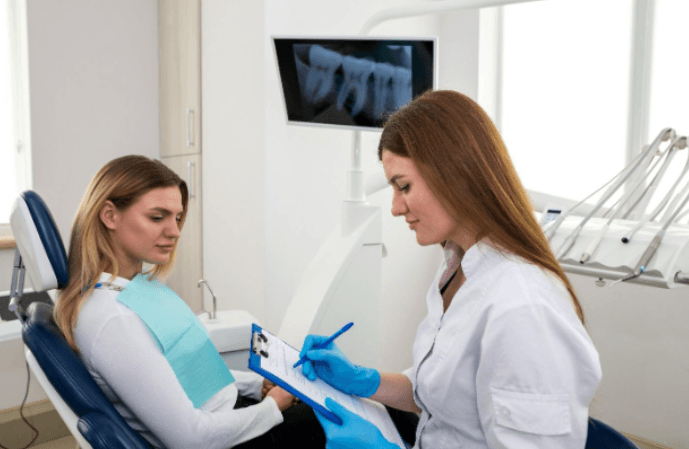
When a family dental provider explains what they see, they are connecting your daily habits to what is happening in your mouth right now. Bleeding gums may point to inflammation that has been building for months. A worn tooth may show clenching during sleep. A new cavity near the gumline may have more to do with dry mouth or frequent snacking than poor brushing alone.
That kind of guidance lowers confusion and shame. Instead of leaving with the vague feeling that you should “do better,” you leave knowing where the problem started and what to change first. Education turns dental care into something you can act on.
Reliable public health guidance supports this approach. The CDC shares practical oral health tips for adults that focus on prevention, daily hygiene, and risk reduction. Those basics sound simple, but they are often where long term dental health is won or lost.
Family Dental Care Works Better When You Understand The Why
People follow through more often when they understand the reason behind a recommendation. If your dentist says you need a night guard, fluoride, more frequent cleanings, or a change in brushing technique, the advice lands differently when it is tied to your own mouth, not a generic rule.
Say you have a child who brushes twice a day but still gets cavities. Education helps uncover what brushing alone misses. Juice throughout the day, deep grooves in molars, poor flossing, mouth breathing, or missed areas behind the back teeth can all play a role. The same thing happens with adults. You may think you are doing enough, then learn your gum recession is linked to brushing too hard, not too little.
Dental education at appointments also helps families make better financial choices. Preventive advice costs less than repair. A short conversation about sealants, fluoride, home care, or signs of early gum disease can reduce the chance of needing crowns, root canals, or extractions later. That is not fear based care. It is honest care.
For broad, plain language health information, MedlinePlus dental health resources explain common conditions, treatments, and prevention steps in a way most people can use right away.
Education Helps Different Age Groups Face Different Risks
One reason family dentists keep teaching at each visit is that oral health risks change with age. A child may need help with brushing technique and cavity prevention. A teen may need guidance about sports guards, wisdom teeth, or soda and energy drink habits. Adults may need support for grinding, stress related jaw pain, or gum disease. Older adults may deal with medication related dry mouth, root decay, or trouble cleaning around bridges and implants.
That means the same advice does not fit everyone in your home. Education has to be personal. It also has to keep changing. What worked for you five years ago may not match what your mouth needs now.
Older adults, in particular, often face oral health changes that are easy to miss until they start affecting eating, speaking, or comfort. The National Institute on Aging offers useful guidance on taking care of your teeth and mouth, including issues tied to aging and medication use.
Home Care And Professional Dental Care Serve Different Roles
You cannot brush away tartar once it hardens, and you cannot always feel a cavity forming. At the same time, your dentist cannot protect your teeth for six months with one cleaning if your daily routine keeps feeding the same problem. The best results come from both sides doing their part.
| Approach | What It Helps With | Limits |
| Home care only | Daily plaque control, fresher breath, lower cavity and gum risk when done well | Cannot remove hardened tartar, may miss early decay, technique problems often go unnoticed |
| Professional care only | Cleanings, exams, X rays, early diagnosis, treatment planning | Problems can return quickly without steady brushing, flossing, and diet changes at home |
| Education plus ongoing care | Personalized prevention, better habits, earlier treatment, lower long term costs | Requires follow through and regular appointments |
Small Changes At Home Often Matter More Than People Expect
The value of education is not in hearing more information. It is in finding the one or two changes that fit your real life. If flossing at night never sticks, your dentist may suggest a different tool. If your child resists brushing, timing, flavor, or supervision may matter more than buying another toothbrush. If sensitivity keeps getting worse, a prescription toothpaste or gentler brushing method may do more than switching brands over and over.
This is where a family dentist becomes a guide, not just a repair service. Good education is specific, practical, and built around what you will actually do.
See also: How Dentists Plan Cosmetic Tooth Proportions After Orthodontic Space Redistribution
Three Steps You Can Take Before Your Next Family Dentist Visit
Track what keeps happening. Notice patterns for one week. Bleeding when flossing, pain with cold drinks, jaw soreness in the morning, food getting stuck in one area, bad breath that keeps returning. Those details help your dentist give advice that matches the problem.
Bring your real routine, not the ideal one. Tell your dentist how often you brush, whether you floss, what you snack on, and if you use tobacco, vaping products, or dry mouth medicines. Honest answers lead to useful education. Perfect answers lead nowhere.
Ask for one priority change. If you leave with ten suggestions, most people do none of them. Ask which single step would make the biggest difference right now. One change done daily beats a long list you forget by next week.
Education Makes Family Dentistry More Personal And More Effective
Dental visits feel less stressful when you understand what is happening and what comes next. That is the real reason family dentists spend time teaching at every appointment. Education helps you catch problems earlier, spend less on avoidable treatment, and care for your teeth with more confidence at home.
If you want care that explains the why, not just the what, schedule a visit with a family dentist and use the appointment to ask clear questions about your risks, your habits, and your next best step.